Breast Cancer Cryoablation: Past, Present, and Future
Applied Radiology — Vol. 55 , Issue 5
Published: August 1, 2026
1 Princeton Radiology, Penn/Princeton Medical Center, Princeton, New Jersey
2 Division Chief of Interventional Radiology, West Virginia University, Charleston, West Virginia
3 Section Chief Breast Imaging, McGovern Medical School, University of Texas Houston, Houston, Texas
* Corresponding author: Kenneth R. Tomkovich (ktomkovichmd@gmail.com)
Abstract
The field of radiology is always changing, particularly with respect to image-guided breast cancer cryoablation. While this therapy has been studied for decades, the results of recent clinical trials have made the concept of treating breast cancer without surgery closer to reality. The technique closely resembles that of percutaneous image-guided breast biopsy, and the skill set to perform this procedure can be acquired by breast and interventional radiologists. Small, low-risk breast cancers can be treated with cryoablation, and there is an opportunity to use it for palliative care. Potential immune benefits of cryoablation add to the appeal and interest in this procedure.
Keywords
breast cancer, cryoablation, palliative care, immunologic effect, abscopal effect
Categories
Introduction
Radiology continues to be a leader in advancing the field of medicine, challenging old thoughts, refining proven concepts, and utilizing new imaging and interventional technology. This is particularly true in the field of breast cancer. Radiology has championed the field of women’s health by improving the quality of diagnostic imaging throughout years of research, while educating the medical and lay community on the appropriate use of such imaging advances. This has led to finding smaller, more treatable breast cancers, with an overall reduction in morbidity and mortality. Today a new and exciting chapter is emerging: image-guided breast cryoablation for the non-surgical treatment of breast cancer.
A Historical Perspective
Cryoablation devices were invented in 1961 when Irving Cooper, MD, PhD, and colleagues developed a device using liquid nitrogen circulating through an insulated probe .1 In 1976, LePivert reported on “cryosurgery” for 7 cases of advanced breast cancer.2 From 1982 to 1995, Suzuki performed cryosurgery on patients with stage IV breast cancer, reporting rates of survival ranging from 6 months to 5 years.3 In 2004, Roubidoux and Sable published their work on a feasibility study to treat breast cancers ≤2 cm with cryoablation followed by surgical excision, with 7 out of 9 patients having no residual cancer at surgery.4 In 2009, Littrup and colleagues published one of the first trials using image-guided cryoablation on 22 cancers in 11 patients with no local recurrence at up to 18 months follow-up. This was a cohort of patients with all stages of breast cancer and with tumors treated up to 58 mm.5 These early works led to ACOSOG Z1072, the first multicenter, large-scale trial testing the feasibility of using cryoablation as a primary treatment for unifocal predominantly invasive ductal carcinomas 2 cm or less. Nineteen centers contributed 99 patients; 87 cancers in 86 patients were treated with cryoablation followed by surgical excision. When multifocal disease outside of the ablation zone was excluded, 80 out of 87 (92%) of all cancers and 100% of all cancers 1 cm or less were successfully ablated.6
The ICE3 Trial
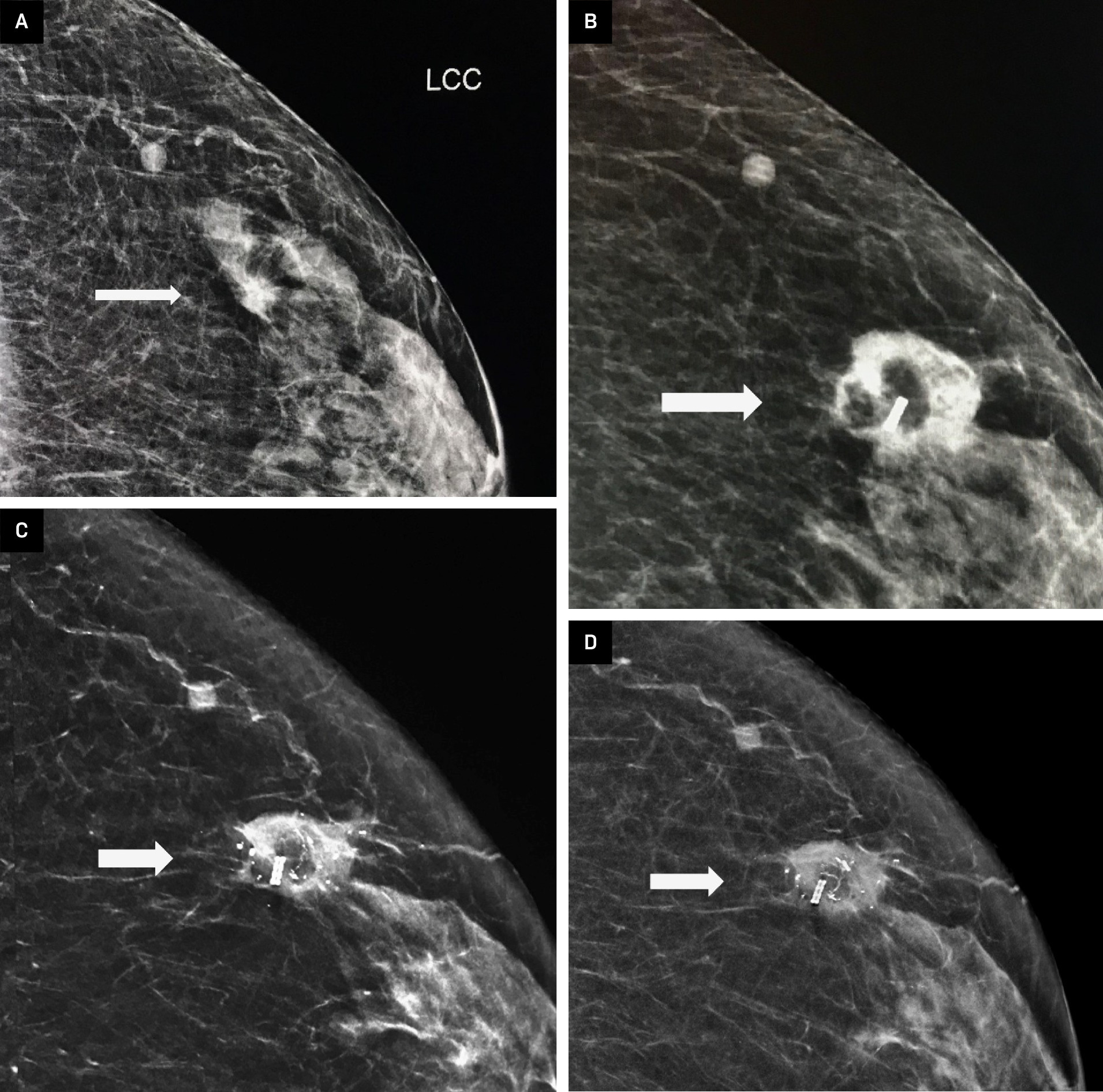
The ICE3 trial was the first multicenter trial to assess the safety and efficacy of image-guided cryoablation as a primary treatment for low-risk breast cancers without surgical excision. This prospective trial enrolled 194 women ages 60 and older across 19 centers with unifocal, US-visible breast cancers 1.5 cm or less. All patients were clinically lymph node-negative with biopsy-proven invasive ductal carcinomas that were hormonal receptor (HR)-positive and HER2-negative. All patients with lobular carcinoma and extensive ductal carcinoma in situ were excluded due to the difficulty in assessing tumor borders with US imaging for those pathologies. A total of 162 patients completed the 5-year imaging follow-up (Figure 1). The 5-year follow-up data, published in 2024, demonstrated an overall ipsilateral tumor recurrence rate of 4.3%. Of the patients who also received endocrine therapy only, the recurrence rate was 3.7%,7 which was comparable to the current standard of care with surgical excision.8
Techniques and Clinical Considerations
The technique for performing image-guided breast cancer cryoablation requires proficiency with image-guided breast biopsy procedures as well as the proper techniques and safety considerations for performing percutaneous image-guided cryoablation. While the procedure can be performed with multiple cryoprobes using US, CT, or MRI guidance for larger tumors, a single-probe US-guided procedure is preferable for small, ≤1.5 cm, unifocal low-risk breast cancers as defined in the ICE3 trial. Breast cancer cryoablation can be performed in an outpatient setting with patients awake and alert under local anesthesia. This allows the patients to return to normal activities almost immediately following the procedure and for treatment of patients who are poor surgical candidates.
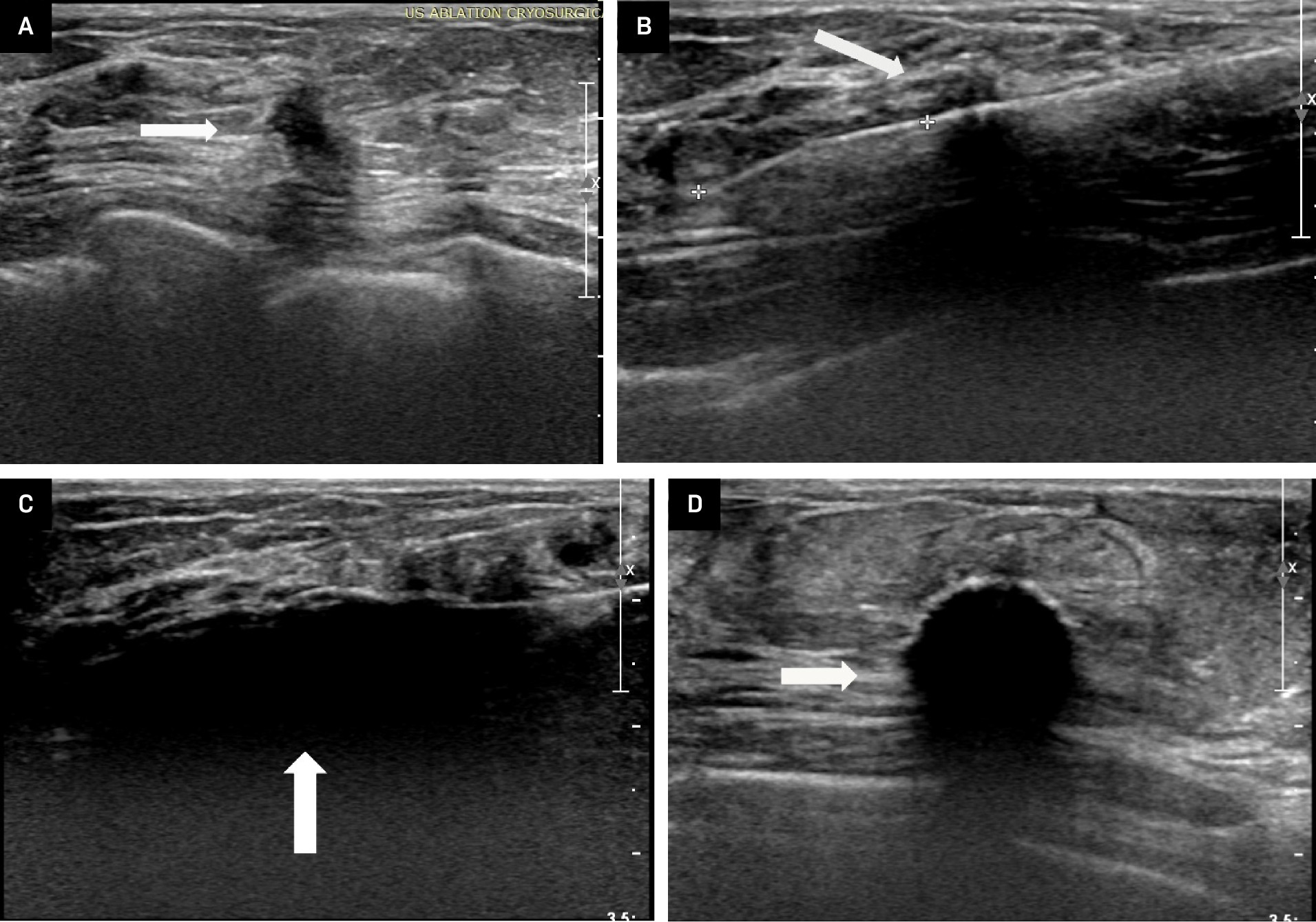
The US-guided technique follows that of a US-guided breast biopsy procedure with modifications. An US-visible well-defined tumor is localized. The approach is prepped and draped. Local anesthesia, typically 5 mL 1% lidocaine for the skin and 10 mL 1% lidocaine with epinephrine for the deeper tissues around the tumor, is delivered under US guidance. The cryoprobe is prepared and tested prior to insertion as per the manufacturer’s guidelines. Sterile saline solution should be available for skin hydrodisplacement though a 20-gage spinal needle if the ice ball approaches the skin surface to prevent thermal injury. A distance of ≥5 mm is preferred between the cryosphere and the skin during the procedure. Warming packs can also be placed on the skin surface. After a small skin incision, precise placement of the cryoprobe is the first key element to successful ablation. The probe should be placed under US guidance as close to the center of the tumor as possible, preferably along its long axis (Figure 2). Care should be taken to avoid crossing blood vessels between the skin and the target tumor during placement of the probe, if avoidable, as this can lead to ongoing bleeding and hematoma. The cryosphere grows from the probe outward from an isocenter as defined by the manufacturer’s guidelines, and placement nearest the center of the tumor allows for the best possible outcomes for adequate freezing of the tumor and the optimal ablation zone. After placement, the probe is activated and the freeze cycle begins. This typically takes 8-10 minutes. The goal is to achieve a cryosphere that encompasses the breast cancer and the surrounding tissues so as to ideally provide a 10-mm margin of –40°C to –20°C lethal ice around the tumor. The cryosphere formed is highly visible anteriorly and laterally and nearly anechoic with an echogenic rim (Figure 3). The posterior margin is not visible by US but is deemed to be nearly the same depth as the anterior margin. Note is made that no protection is required for the chest wall during the procedure as there is no risk of significant thermal injury. However, patients may experience some chest discomfort if the ice ball grows posteriorly, near the chest wall, which can be treated by lifting the probe off the chest wall. The first freeze cycle is followed by a passive thaw of 8-10 minutes. This cycle is important as thawing causes osmotic gradients and fluid shifts into damaged cells, leading to swelling, bursting, and further cell death.9 This is followed by a second freeze cycle of 8-10 minutes.
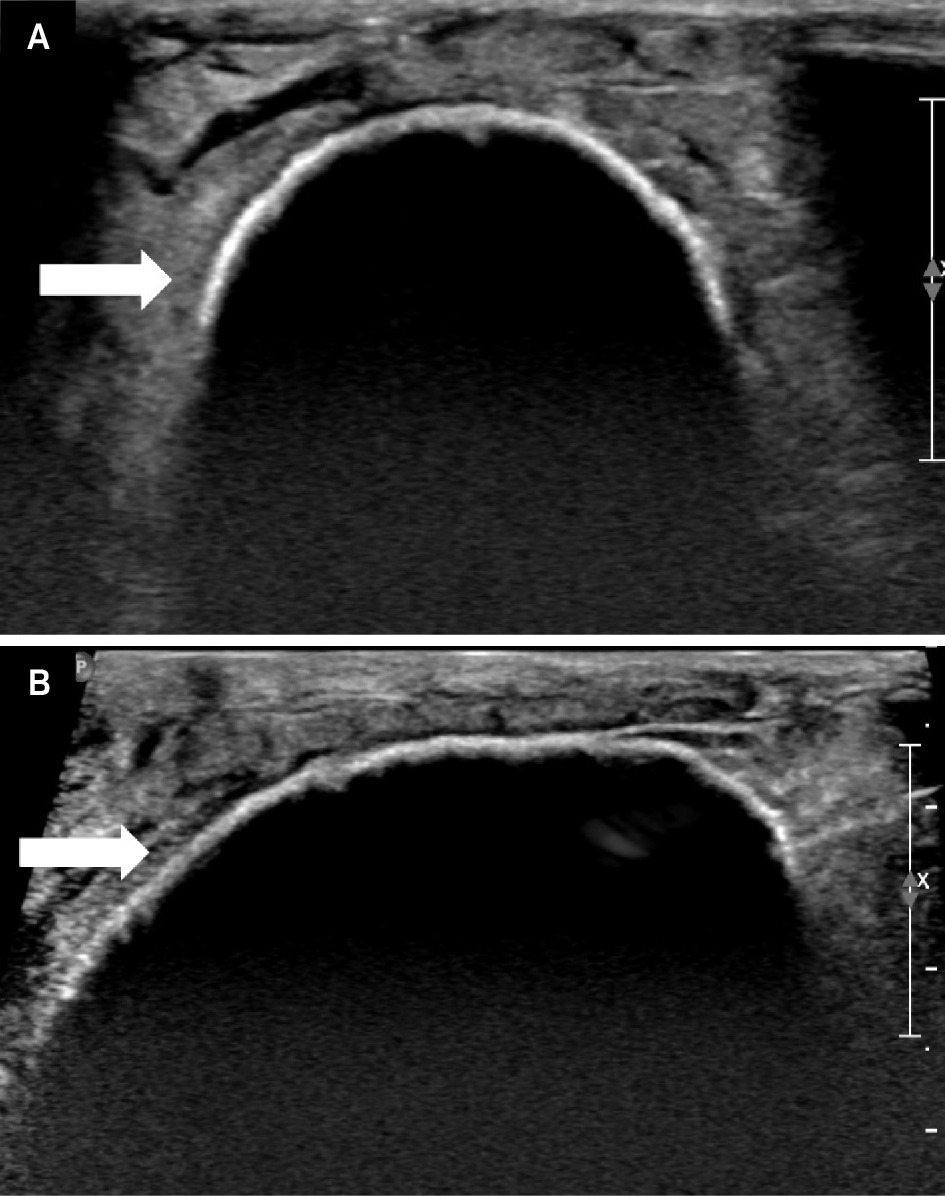
The second key element to successful ablation is remembering that the cryosphere can grow quickly in less than 8-10 minutes, but the internal temperatures of the kill zone may take significantly longer. Short freeze times can produce large ice balls in 3-5 minutes, but the 0°C isotherm, which defines the visible echogenic edge of the cryosphere, is nonlethal. Cell death occurs at –40°C, which is best achieved with longer freeze times.9 The cryosphere, using a single probe technique, will not continue to grow significantly beyond a certain diameter, but the internal temperature will continue to drop. Adequate freeze time to achieve lethal ice, as well as a freeze, thaw, freeze cycle, are the keys to achieving cell death and tumor destruction in breast cancer cryoablation.
Following the second freeze cycle, a rapid thaw cycle is performed to facilitate probe removal. A dressing is applied, and after a brief observation period, the patient is discharged. The third key element to successful ablation is to manage patient expectations. Patients should be aware that as the ice ball melts, there can be a leakage of fluid or bloody discharge from the entry site. Bruising and small hematomas are to be expected. There may be swelling and warmth at the site of the ablation due to a local inflammatory response. Most importantly, patients, who may have felt nothing in their breasts prior to ablation, will most certainly feel a lump in their breast for weeks to months after at the site of the ablation procedure. Communication of these common post-procedure occurrences will ensure that the patients are prepared for them should they happen.
Breast Cryoablation with Palliative Intent
While the interim analysis results of the ICE3 trial published in 2021 by Fine et al7 ignited renewed interest in breast cryoablation for the curative treatment of unifocal, ≤1.5 cm, low-risk breast cancer, breast cryoablation had been performed since the 1960s for the palliative treatment of advanced and recurrent breast cancer1,2 (Figure 4).
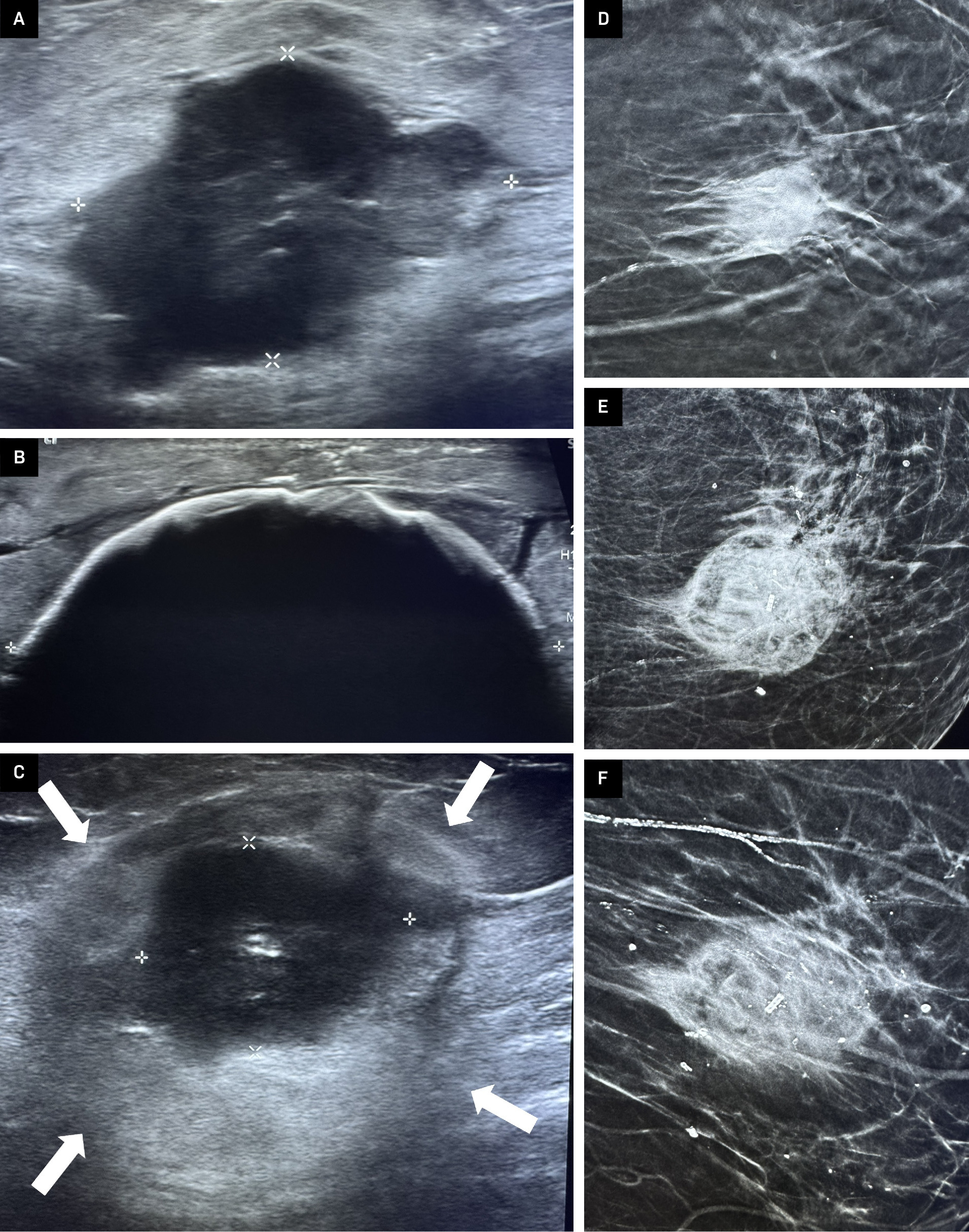
From 1968 to 1994, breast and chest wall/mastectomy site cryoablation was performed in patients whose disease was resistant or unresponsive to standard of care surgical treatment, chemotherapy, and radiation therapy. These early studies, composed of small number (≤40 patients) of case series with limited follow-up (6 months to 5 years), reported not only survival benefits, resolution of pain, and local tumor size reduction but also regression of contralateral breast tumor and lymph node metastasis, noting the potential of systemic antitumor response.1,2
Additional retrospective small case studies from 2000 to 2024 continue to demonstrate that palliative breast cryoablation treatments offer local tumor and pain control, with excellent patient tolerance and no significant complications. Pusceddu et al performed CT-guided breast cryoablation from 2010 to 2016 on 35 patients with metastatic breast cancer, including 17.1% with multicentric disease. This study demonstrated 100% tumor ablation (some requiring second cryoablation treatment), confirmed with 6-month follow-up MRI, although 20% experienced local recurrence and 20% died of tumor progression during follow-up (3-84 months, median 46 months).10 In 2018, Beji et al reported their study of CT and US-guided breast cryoablation of 17 patients with metastatic breast cancer (following 1 or 2 cryoablation treatments), with resolution of breast mass pain in 5 patients and no residual, recurrent, or progression of primary breast tumor on MRI imaging follow-up (median 22 months, 15 patients with >12 month-follow-up) for 15 patients.11 Huang et al reported in 2024 the results of their breast cryoablation treatment of 13 patients (18 lesions) with palliative intent (7 patients with nodal metastasis, 1 with scalp soft tissue metastasis, and 2 with multicentric disease). Treatment success was achieved in 100% of these patients during imaging follow-up (3-26 months, median 16 months; 14 treated tumors with >12 month follow-up), with one patient reporting resolution of nipple pain.12 Despite these promising retrospective series, no prospective, large cohort, or long-term studies have been conducted on palliative breast cryoablation treatment.
Immunologic Effects of Breast Cryoablation
Whereas surgical resection removes tumor tissue, cryoablation leaves the tumor in situ, inducing cell death while releasing intact tumor antigens that can stimulate local and systemic immune responses and potentially generate abscopal effects. Freeze-thaw cycles preserve tumor antigens while releasing inflammatory mediators which activate immune pathways due to exposure of intact tumor-specific antigens to the immune system.13-16 This process stimulates production of pro-inflammatory cytokines and nucleoproteins that activate innate immune cells such as natural killer cells and dendritic cells, while promoting adaptive immune responses, including cytotoxic T lymphocyte activation.13,17 In preclinical triple-negative breast cancer models, compared with surgical resection, cryoablation results in increased populations of antitumor immune cells such as tumor-infiltrating lymphocytes, natural killer cells, and conventional type 1 dendritic cells.15,18
One ideal consequence of immune activation is the abscopal effect, in which treatment of a primary tumor generates systemic immune responses affecting distant tumors. In murine models, cryoablation of primary breast tumors resulted in reduced growth of distant tumors accompanied by increased natural killer cell activity and upregulation of leukocyte-mediated cytotoxicity.15 Clinical studies similarly demonstrate increased tumor-infiltrating lymphocytes, CD8+ T cells, and granzyme B expression in distant tumors after cryoablation, suggesting enhanced cytotoxic immune activity.6 These systemic immune responses may contribute to reduced recurrence and metastatic progression observed in some preclinical models compared with surgical resection alone.15,18
Despite these immunostimulatory effects, cryoablation alone may not fully overcome tumor immune escape mechanisms. Experimental studies show that cryoablation can also induce upregulation of PD-1/PD-L1 signaling pathways in the tumor microenvironment, limiting antitumor immune activity.19 This observation provides a rationale for combining cryoablation with immune checkpoint inhibitors such as anti-PD-1 or anti-CTLA-4 antibodies.13,20,21 Preclinical studies demonstrate that PD-1 blockade enhances cryoablation-induced immune responses, producing synergistic antitumor effects.19
Early clinical studies support the feasibility of combining cryoablation with immunotherapy in breast cancer. One pilot trial demonstrated that preoperative cryoablation combined with single-dose ipilimumab was safe and well tolerated in patients with early-stage breast cancer and produced activation of systemic immune responses.22,23 Building on these findings, an ongoing phase 2 study (NCT03546686) is evaluating perioperative checkpoint inhibition with ipilimumab and nivolumab combined with cryoablation in women with residual triple-negative breast cancer after neoadjuvant chemotherapy.24 Patients undergo image-guided cryoablation shortly before surgery with perioperative checkpoint inhibitor therapy, followed by adjuvant systemic therapy. The study’s primary endpoint is 3-year event-free survival.24 Additional retrospective data evaluating thermal ablation combined with checkpoint inhibitors across multiple tumor types demonstrate acceptable safety profiles and suggest potential abscopal responses in a subset of patients.25
These findings suggest that cryoablation may function as an immune-modulating therapy capable of enhancing systemic antitumor immunity, particularly in combination with immunotherapy, in the hopes of improving outcomes in biologically aggressive breast cancer subtypes.20,26 Cryoablation may provide a unique immunologic advantage over surgical resection by preserving tumor antigens and stimulating systemic antitumor immunity, supporting its investigation as both a local therapy and an immunologic adjunct in breast cancer management.
Important Recent Developments
The US Food and Drug Administration (FDA) General and Plastic Surgery Devices Panel convened in Bethesda, Maryland, in November 2024 and voted “yes” to the proposal that the benefits of cryoablation for low-risk breast cancer outweigh the risks for the proposed indications for use, primarily based on the 20 of patients and results of the ICE3 trial. This led to the FDA granting Class II approval for the use of cryoablation as a primary treatment of biologically low-risk invasive ductal carcinoma 1.5 cm or less in patients 70 years old or older in combination with adjuvant endocrine therapy.27 A post-market analysis trial was also requested by the FDA as part of the approval process and is currently recruiting sites. Following the FDA approval, the American Society of Breast Surgeons (ASBS) issued an updated resource guide in February 2026 on the use of percutaneous ablation for the treatment of benign and malignant tumors of the breast. In this document, the ASBS recommended consideration of image-guided cryoablation of the same specific cohort of patients approved by the FDA with additional clinical and technical considerations. It was also stressed that cryoablation must be considered in the context of a multidisciplinary team treatment plan, there is a significant learning curve for safe and effective breast cancer cryoablation, and that further evaluation of this procedure is ongoing.28
Conclusion
Breast cancer cryoablation has been shown to be a safe and effective option for the curative treatment of small low-risk breast cancers as well as for palliation. The clinical skill set is already largely possessed by interventional and diagnostic radiologists with experience in breast biopsy noting important technical considerations and a learning curve inherent to all new procedures. The potential for additional benefits of an immunological response adds to the appeal of this procedure and provides opportunities for future research. With the current guidelines and recommendations, as well as multiple ongoing studies throughout the world, the future of image-guided cryoablation as an alternative treatment for breast cancer is bright.
References
- Gill W, Long W, Fraser J, Lee P. Cryosurgery for neoplasia. Br J Surg. 1970;57(7):494-502. doi:10.1002/bjs.1800570704.
- Ablin R. The use of cryosurgery for breast cancer. Arch Surg. 1998;133(1):106. doi:10.1001/archsurg.133.1.106.
- Suzuki Y. Cryosurgical treatment of advanced breast cancer and cryoimmunological responses. Skin Cancer. 1995;10:19-26.
- Roubidoux M, Sabel M, Bailey J. Small (<2.0-cm) breast cancers: mammographic and US findings at US-guided cryoablation—initial experience. Radiology. 2004;3(233):857-867. doi:10.1148/radiol.2333031734.
- Littrup P, Jallad B, Chandiwala-Mody P. Cryotherapy for breast cancer: a feasibility study without excision. J Vasc Interv Radiol. 2009;20(10):1329-1341. doi:10.1016/j.jvir.2009.06.029.
- Simmons R, Ballman K, Cox C. A phase II trial exploring the success of cryoablation therapy in the treatment of invasive breast carcinoma: results from ACOSOG (alliance) Z1072. Ann Surg Oncol. 2016;23(8):2438-2445. doi:10.1245/s10434-016-5275-3.
- Fine R, Gilmore R, Tomkovich K. Cryoablation without excision for early-stage breast cancer: ICE3 trial 5-year follow-up on ipsilateral breast tumor recurrence. Ann Surg Oncol. 2024;31(11):7273-7283. doi:10.1245/s10434-024-16181-0.
- Yekedüz E, Dizdar &, Kertmen N, Aksoy S. Comparison of clinical and pathological factors affecting early and late recurrences in patients with operable breast cancer. J Clin Med. 2022;11(9). doi:10.3390/jcm11092332.
- Erinjeri J, Clark T. Cryoablation: mechanism of action and devices. J Vasc Interv Radiol. 2010;21(8 suppl):S187-91. doi:10.1016/j.jvir.2009.12.403.
- Pusceddu C, Melis L, Ballicu N. Cryoablation of primary breast cancer in patients with metastatic disease: considerations arising from a single-centre data analysis. Biomed Res Int. 2017;2017. doi:10.1155/2017/3839012.
- Beji H, Pilleul F, Picard R. Percutaneous cryoablation of breast tumours in patients with stable metastatic breast cancer: safety, feasibility and efficacy. Br J Radiol. 2018;91(1083). doi:10.1259/bjr.20170500.
- Huang M, Lane D, Chang Sen L. Defining breast cryoablation treatment success: a guide for the curative and palliative treatment of breast cancer. Acad Radiol. 2024;31(12):4759-4771. doi:10.1016/j.acra.2024.07.017.
- Liu Q, Zhang C, Chen X, Han Z. Modern cancer therapy: cryoablation meets immune checkpoint blockade. Front Oncol. 2024;14:1323070. doi:10.3389/fonc.2024.1323070.
- Olagunju A, Forsman T, Ward R. An update on the use of cryoablation and immunotherapy for breast cancer. Front Immunol. 2022;13. doi:10.3389/fimmu.2022.1026475.
- Sardela de Miranda F, Martinez-Marin D, Babcock R. Cryoablation of primary breast cancer tumors induces a systemic abscopal effect altering TIME (tumor immune microenvironment) in distant tumors. Front Immunol. 2024;15. doi:10.3389/fimmu.2024.1498942.
- Wallon U, Carp N, Sabol J, DuHadaway J, Prendergast G. Tumor cryoablation: preclinical models and methods to explore immunological effects. Methods Cell Biol. 2025;199:21-36. doi:10.1016/bs.mcb.2025.03.005.
- Chen Z, Meng L, Zhang J, Zhang X. Progress in the cryoablation and cryoimmunotherapy for tumor. Front Immunol. 2023;14:1094009. doi:10.3389/fimmu.2023.1094009.
- Khan S, Melkus M, Rasha F. Tumor-infiltrating lymphocytes (tils) as a biomarker of abscopal effect of cryoablation in breast cancer: a pilot study. Ann Surg Oncol. 2022;29(5):2914-2925. doi:10.1245/s10434-021-11157-w.
- Yu Z, Sun X, He Y, Gu J, Jin Y. PD-1 monoclonal antibodies enhance the cryoablation-induced antitumor immune response: a breast cancer murine model research. Int J Hyperthermia. 2023;40(1):2164625. doi:10.1080/02656736.2022.2164625.
- Sardela de Miranda F, Castro M, Remmert N. Leveraging cryoablation and checkpoint inhibitors for high-risk triple negative breast cancer. Front Immunol. 2023;14. doi:10.3389/fimmu.2023.1258873.
- Yakkala C, Denys A, Kandalaft L, Duran R. Cryoablation and immunotherapy of cancer. Curr Opin Biotechnol. 2020;65:60-64. doi:10.1016/j.copbio.2020.01.006.
- Adams S, Gatti-Mays M, Kalinsky K. Current landscape of immunotherapy in breast cancer: a review. JAMA Oncol. 2019;5(8):1205-1214. doi:10.1001/jamaoncol.2018.7147.
- McArthur H, Diab A, Page D. A pilot study of preoperative single-dose ipilimumab and/or cryoablation in women with early-stage breast cancer with comprehensive immune profiling. Clin Cancer Res. 2016;22(23):5729-5737. doi:10.1158/1078-0432.CCR-16-0190.
- McArthur H, Comen E, Bryce Y. A single-arm phase 2 study of peri-operative immune checkpoint inhibition and cryoablation in women with hormone receptor-negative, HER2-negative, early-stage/resectable breast cancer. . 2023.
- Bonnet B, Tournier L, Deschamps F. Thermal ablation combined with immune checkpoint blockers: a 10-year monocentric experience. Cancers (Basel). 2024;16(5). doi:10.3390/cancers16050855.
- Fermanian J, Ward R, Holmes D. Cryoablation and intratumoral immunotherapy for breast cancer: a future path to cost-effective de-escalation for larger tumors, lymph nodes and metastatic disease. Cancers (Basel). 2025;17(12). doi:10.3390/cancers17121915.
- .
- Maxwell J, Al-Hilli Z. The American Society of Breast Surgeons Resource Guide on the use of Transcutaneous and Percutaneous Ablation for the treatment of Benign and Malignant Tumors of the breast. 2026.
Disclosures
Amy Deipolyi is a Consultant for Boston Scientific and Varian Medical. None of the authors received outside funding for the production of this original manuscript and no part of this article has been previously published elsewhere.
Acknowledgments
The authors of this manuscript declare that in the writing process of this work, no generative artificial intelligence (AI) or AI-assisted technologies were used to generate content, ideas, or theories. The authors utilized AI solely for the purpose of enhancing readability and refining language. This use was under strict human oversight and control. After the application of AI technologies, the authors carefully reviewed and edited the manuscript to ensure its accuracy and coherence.
Citation
. Breast Cancer Cryoablation: Past, Present, and Future. Applied Radiology. 2026;55(5). doi:10.37549/AR-D-26-0025.